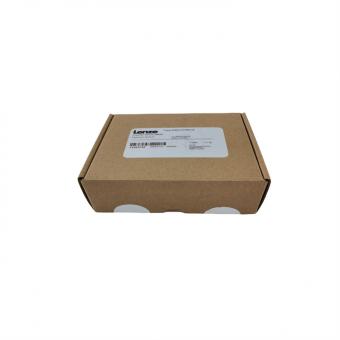
The Lenze EPM-S701 I/O module stands out as a highly adaptable and dependable solution for various industrial applications. With its sleek design and cutting-edge features, this module is ideal for overseeing and managing a multitude of processes across different sectors.
Part of the esteemed Lenze EPM series, this I/O module is celebrated for its exceptional performance and longevity. It is engineered to integrate flawlessly with Lenze drives and numerous other automation elements, facilitating a straightforward incorporation into pre-existing systems. The module is equipped with eight digital inputs and four digital outputs, ensuring extensive connectivity options for diverse devices and sensors.
Equipped with sophisticated communication features, the Lenze EPM-S701 I/O module includes Ethernet and CANopen interfaces. This enables effortless data transfer between the module and various devices on the network, allowing for real-time oversight and management of operations. Additionally, it supports the Modbus TCP/IP communication protocol, simplifying its integration into current industrial networks.
Reliability is a hallmark of the Lenze EPM-S701 I/O module. Constructed with premium components and subjected to stringent testing, this module is tailored to endure the most challenging industrial conditions. Its compact design not only facilitates installation in confined areas but also guarantees robust performance and durability over time.
Flexibility is another key advantage of the Lenze EPM-S701 I/O module. It accommodates a diverse array of input and output types, encompassing digital inputs and outputs, analog inputs, and relay outputs. This adaptability ensures seamless integration into various applications, ranging from basic machine control to intricate automation setups.
Furthermore, configuring and programming the Lenze EPM-S701 I/O module is a straightforward process, thanks to its user-friendly software interface. Users can easily program the module with Lenze's intuitive software tools, enabling quick adjustments to input and output settings. This adaptability allows the module to be tailored specifically to meet the unique demands of any application.